
India vs England 3rd T20I India Suffers Biggest T20 Defeat as MS Dhoni Watches Vaibhav Suryavanshi Fails Again
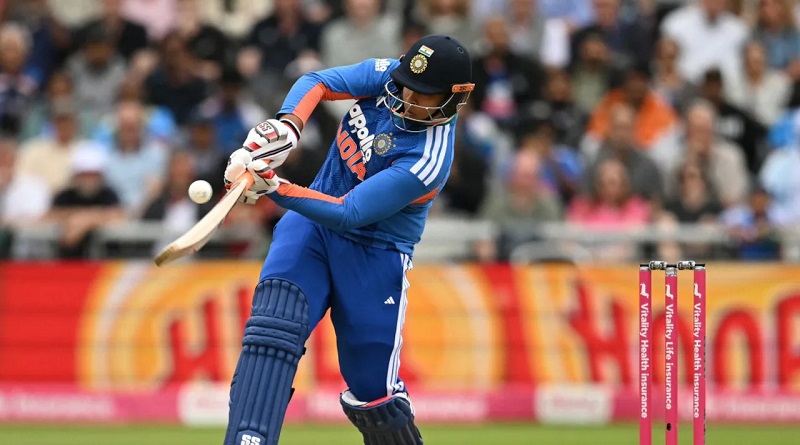
India Registers Its Biggest Defeat in T20 International History
The Indian cricket team endured one of its most disappointing performances in T20 International history after suffering a crushing 125 run defeat against England in the third T20I at Trent Bridge in Nottingham. The loss marked India’s biggest defeat by runs in the shortest format of the game and exposed several weaknesses in both batting and bowling.
England dominated the contest from start to finish, posting an imposing total of 201 for 7 before bowling India out for just 76 runs. It was India’s second lowest total in T20 International cricket, highlighting one of the poorest batting displays in recent years.
The match also featured several memorable moments, including MS Dhoni’s appearance at the stadium on his birthday, Prince Yadav’s dream debut spell, and another disappointing outing for young batter Vaibhav Suryavanshi.
England Delivers a Commanding Batting Performance
After India won the toss and elected to field first, England made full use of the batting friendly conditions at Trent Bridge.
Despite losing a few wickets at regular intervals, England’s aggressive approach never slowed down. Jos Buttler led the charge with a quickfire innings that gave his side the perfect start. The middle order continued the momentum by attacking the Indian bowlers throughout the innings.
India struggled to control the scoring rate during the middle and death overs. Loose deliveries were punished consistently, allowing England to finish with an impressive total of 201 for 7 in their allotted 20 overs.
Crossing the 200 run mark once again reflected England’s fearless batting approach and placed India under enormous pressure before the chase even began.
Indian Batting Collapses Under Pressure
Chasing 202 was always going to be challenging, but India never looked capable of mounting a serious challenge.
The top order failed to provide a solid foundation as wickets fell in quick succession. England’s pace attack maintained exceptional discipline with both line and length, leaving Indian batters with little room to score freely.
The middle order offered no resistance, and the lower order folded quickly as the innings collapsed dramatically. India was eventually bowled out for only 76 runs, registering one of the most disappointing batting performances in T20 International cricket.
The complete lack of partnerships and poor shot selection were major reasons behind the massive defeat.
India’s Second Lowest T20 International Total
India’s total of 76 runs became the second lowest score in the country’s T20 International history.
The only lower total remains 74 against Australia in Melbourne in 2008. The latest collapse serves as a reminder that even one of the world’s strongest batting lineups can struggle badly under sustained pressure from quality bowling.
The scorecard reflected a complete batting failure, with none of the Indian players managing to build a meaningful innings.
Biggest Defeat by Runs in India’s T20 History
The 125 run loss is now India’s largest defeat by runs in T20 International cricket.
The previous record stood at an 80 run defeat against New Zealand in Wellington in 2019. England not only broke that record but also demonstrated complete dominance across every department of the game.
The defeat is likely to prompt serious discussions about India’s team combination, batting strategy, and overall preparation.
Five Consecutive Matches Without a Victory
India’s disappointing run of form continued as the team failed to win for the fifth consecutive T20 International.
This is India’s longest winless streak in the format. The previous worst run had lasted four matches.
The ongoing slump has increased pressure on both the players and team management, with fans expecting significant improvements before the next game.
England Scores 200 Plus Against India for the Fourth Time
England once again showcased why it is considered one of the most dangerous batting sides in T20 cricket.
The 201 run total marked the fourth occasion on which England has crossed the 200 run mark against India in T20 Internationals.
Earlier this year, England had also posted a massive 246 for 7 against India at Mumbai’s Wankhede Stadium, their highest total against the Men in Blue.
England’s aggressive batting philosophy continues to trouble India’s bowling attack.
Shreyas Iyer Equals Rohit Sharma’s Toss Record
Although the match result went against India, captain Shreyas Iyer achieved a notable milestone.
By winning the toss for the fifth consecutive T20 International, Iyer equaled Rohit Sharma’s record for consecutive toss victories as an Indian captain.
The overall Indian record still belongs to MS Dhoni, who won seven consecutive tosses between 2010 and 2012.
MS Dhoni Receives a Warm Birthday Reception
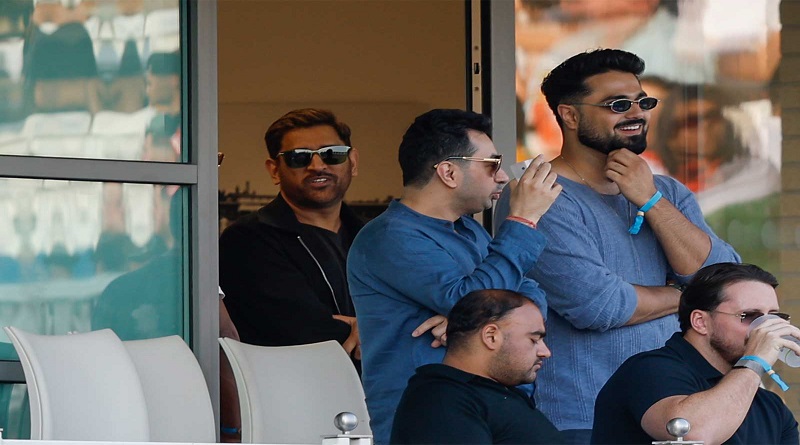
One of the most heartwarming moments of the evening came when former India captain MS Dhoni arrived at Trent Bridge to watch the match on his birthday.
Dressed in a black coat and sunglasses, Dhoni received a standing ovation from the crowd after his image appeared on the giant screen inside the stadium.
Fans erupted in cheers, celebrating one of India’s greatest cricketers. While his presence delighted spectators, it could not inspire India to avoid a historic defeat.
Prince Yadav Impresses on His First Delivery
Young fast bowler Prince Yadav produced one of the brightest moments for India.
Bowling his very first delivery in international cricket, Prince dismissed England captain Jos Buttler with a brilliant yorker that crashed into the stumps after taking the edge of the bat.
Buttler had scored 36 runs from 21 balls before being dismissed.
Prince finished with impressive figures of two wickets for 30 runs in four overs, providing a positive takeaway from an otherwise disappointing match.
Vaibhav Suryavanshi Disappoints Again
Young opener Vaibhav Suryavanshi entered the match with high expectations but failed to convert his promising start into a substantial innings.
He began aggressively by attacking the bowlers but was dismissed by Jofra Archer in the third over.
Archer surprised him with a short delivery, and Vaibhav attempted a pull shot. The ball brushed his gloves before wicketkeeper Jos Buttler completed a comfortable catch.
The young batter managed only 13 runs from five balls, marking his second consecutive disappointing performance.
Although criticism has increased, many cricket experts believe that talented youngsters should be given enough time to develop at the international level.
Tilak Varma’s Unusual Stumping Sparks Debate
Another talking point came during Tilak Varma’s dismissal.
Attempting a big shot against Will Jacks, Tilak stepped well outside his crease. Wicketkeeper Jos Buttler quickly removed the bails.
Initially, it appeared that the ball had slipped from Buttler’s gloves. However, television replays confirmed that the ball was still in contact with his fingers when the stumps were broken.
The third umpire declared Tilak out, leading to widespread discussion among fans and cricket analysts.
Major Reasons Behind India’s Heavy Defeat
Early Wickets Destroyed the Chase
India lost crucial wickets during the powerplay, making the challenging target even more difficult to chase.
Poor Shot Selection
Several Indian batters attempted risky shots without settling at the crease, resulting in avoidable dismissals.
England’s Outstanding Pace Attack
Jofra Archer and the rest of England’s bowling unit executed their plans perfectly by maintaining disciplined line and length throughout the innings.
Lack of Partnerships
No Indian batting pair managed to build a significant partnership, causing the innings to collapse rapidly.
Pressure of a Big Chase
The required run rate and scoreboard pressure forced Indian batters into making poor decisions, ultimately leading to one of their worst batting performances.
Key Lessons for Team India
The third T20I exposed several areas that require immediate attention.
India needs greater consistency from its top order, better game awareness under pressure, and improved execution with both bat and ball. The bowling unit also needs stronger plans during the death overs, while the batting lineup must learn to build partnerships instead of relying on individual brilliance.
Young players like Prince Yadav showed encouraging signs, but experienced batters will need to shoulder greater responsibility if India hopes to bounce back in the remaining matches.
Conclusion
The third T20I between India and England will be remembered as one of the darkest days in India’s T20 International history. A record breaking 125 run defeat, a collapse to just 76 runs, and a fifth consecutive winless match exposed significant flaws in the team’s performance.
Despite memorable moments such as MS Dhoni’s birthday appearance and Prince Yadav’s impressive debut, India’s overall display fell well below expectations. Vaibhav Suryavanshi’s second straight failure and the batting collapse have raised important questions for the team management.
With the series still alive, India will now be eager to put this disappointing performance behind them and deliver a much stronger response in the upcoming matches.





Los salones de juego sin licencia en EspaГ±a brindan una opciГіn para los jugadores que buscan exclusivas experiencias. Sin embargo, debe considerarse que Casinos Sin Licencia en EspaГ±a, [url=https://tobystuart.com/2026/06/24/casinos-sin-licencia-en-espana-riesgos-y-realidades-852938640/]https://tobystuart.com/2026/06/24/casinos-sin-licencia-en-espana-riesgos-y-realidades-852938640/[/url] tienden a no cumplir con la regulaciГіn.
You could definitely see your skills in the paintings you write. The world hopes for more passionate writers such as you who aren’t afraid to mention how they believe. All the time go after your heart.