
Will O’Rourke Ruled Out of India ODI and Test Series as New Zealand Face Major Injury Blow
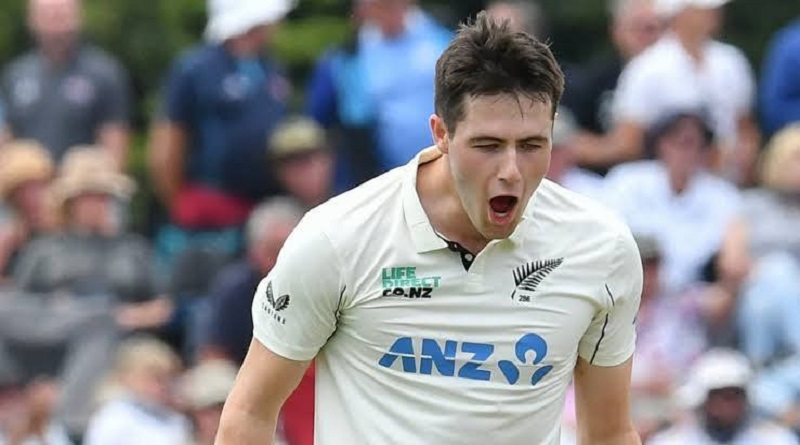
Will O’Rourke Injury Update: New Zealand Pacer to Miss India Series
New Zealand have suffered a major setback ahead of their upcoming home series against India, with fast bowler Will O’Rourke ruled out of both the ODI and Test series due to injury. The right-arm pacer has not fully recovered from injuries to his left hamstring and calf muscles, forcing New Zealand Cricket to take a cautious approach to his rehabilitation.
New Zealand Cricket confirmed the decision on Saturday, stating that O’Rourke needs more time to recover before returning to competitive cricket. The team management does not want to risk aggravating his injuries by rushing him back into action.
O’Rourke was expected to play an important role in New Zealand’s bowling attack during the multi-format series against India. His height, pace and ability to generate extra bounce make him a valuable option, particularly in Test cricket. His absence will therefore be a significant concern for the hosts as they prepare to face one of the strongest batting line-ups in international cricket.
The fast bowler is now targeting a return ahead of New Zealand’s Test series against Australia, which is scheduled to begin in Perth on December 9. However, his availability will depend on his recovery and progress through rehabilitation.
India’s Tour of New Zealand Begins on October 22
India’s upcoming tour of New Zealand is scheduled to begin on October 22. The two teams will compete across three formats, featuring five T20 Internationals, five One Day Internationals and two Test matches.
The lengthy tour will test the depth of both squads, with player fitness, workload management and team combinations expected to play crucial roles.
Five-Match T20I Series to Open the Tour
The tour will begin with a five-match T20 International series starting on October 22. Both teams will look to establish momentum early in the tour and test their combinations ahead of the longer formats.
O’Rourke has not been included in New Zealand’s T20I squad because of his ongoing fitness concerns. The hosts have also been forced to make changes to their limited-overs squad following injuries to Mark Chapman and Jacob Duffy’s teammate, Jack Foulkes.
According to the information provided, Chapman and Foulkes have been ruled out of the T20I series, with Josh Clarkson and Blair Tickner brought in as replacements.
These changes mean New Zealand will need to rely on their available players to maintain a balanced bowling attack during the opening leg of the tour.
O’Rourke’s Absence Could Affect New Zealand’s ODI Plans
Following the T20I series, India and New Zealand will face each other in five ODIs. O’Rourke’s absence removes an important pace-bowling option from the home side’s plans.
In ODI cricket, fast bowlers are required to perform different roles throughout the innings. They must take wickets with the new ball, maintain control during the middle overs and execute accurate plans at the death.
O’Rourke’s pace and ability to extract bounce could have helped New Zealand challenge India’s top order. Without him, the team management may need to redistribute responsibilities among its other fast bowlers.
The series will also provide an opportunity for other members of the squad to establish themselves and demonstrate their ability to perform against a strong Indian batting unit.
New Zealand Also Lose O’Rourke for the Test Series
The absence of O’Rourke will be particularly significant in the two-match Test series against India.
Test cricket places considerable demands on fast bowlers, who must maintain their pace and accuracy while delivering long spells. The ability to generate bounce and consistently challenge batters outside their comfort zone is especially valuable.
O’Rourke’s physical attributes and bowling style make him a useful option in these conditions. His height allows him to extract additional bounce, while his pace can create problems for batters attempting to settle at the crease.
However, New Zealand have decided that protecting his long-term fitness is more important than including him in the squad before he is fully ready.
Will O’Rourke’s Injury History: From Back Stress Fracture to Hamstring Trouble
O’Rourke has endured a difficult period with injuries over the past year. His latest setback follows an extended absence caused by a back stress fracture, which kept him away from cricket for approximately seven months.
Seven-Month Absence Due to a Back Stress Fracture
The back injury was a major interruption to O’Rourke’s development and international career. Fast bowlers place substantial stress on their backs because of the repetitive movements and high physical demands involved in their action.
Following an extended rehabilitation period, O’Rourke returned to international cricket during New Zealand’s tour of Bangladesh in April. He featured in all three ODIs on that tour, marking an important step in his comeback.
His return offered New Zealand encouragement, as the team hoped he would be able to contribute regularly across formats. However, subsequent injuries prevented him from maintaining that momentum.
Hamstring Injury During England Test Series
After returning against Bangladesh, O’Rourke played all three Tests against England in June.
The series was an important opportunity for the fast bowler to regain match rhythm in the longest format. However, his comeback was interrupted when he sustained a hamstring injury on the final day of the third Test in Nottingham.
Hamstring injuries can be particularly challenging for fast bowlers because their actions involve explosive movements, rapid acceleration and repeated high-intensity efforts.
Even after the initial pain subsides, players need to rebuild their strength and ability to tolerate the physical demands of competitive cricket. Returning too early can increase the risk of another injury.
O’Rourke’s recovery therefore required careful management, with the team hoping he would regain full fitness in time for the home series against India.
Calf Strain During Training Added to His Problems
O’Rourke suffered another setback in late August when he strained his calf muscle during training.
The additional injury delayed his rehabilitation and complicated his return-to-play plans. Rather than progressing directly towards competitive cricket, he had to continue working through his recovery programme.
The combination of hamstring and calf problems ultimately led New Zealand Cricket to rule him out of the India series.
The decision reflects the importance of managing a fast bowler’s workload carefully after repeated injuries. New Zealand want O’Rourke to regain his strength, build up his bowling workload gradually and return only when he can perform without unnecessary risk.
New Zealand Head Coach Rob Walter Explains the Decision
New Zealand head coach Rob Walter expressed disappointment over O’Rourke’s absence from the upcoming home series against India.
Walter indicated that the fast bowler had been expected to feature in both the ODI and Test series. However, discussions about his condition led the team management to conclude that allowing additional recovery time was the most sensible option.
The coach’s comments highlight the difficult balance between selecting an important player for a major series and protecting his long-term health.
India’s visit represents a significant assignment for New Zealand, and O’Rourke’s pace would have given the bowling attack another option. Nevertheless, the management has chosen not to rush his comeback.
For a fast bowler, being medically fit is not always the same as being ready for international competition. Players must also regain their bowling rhythm, physical endurance and ability to handle repeated high-intensity spells.
New Zealand will therefore continue to monitor O’Rourke’s progress before making any decisions about his return.
Injuries Force Further Changes to New Zealand’s T20I Squad
O’Rourke’s exclusion is not the only fitness-related concern facing New Zealand ahead of the India tour.
Mark Chapman and Jack Foulkes have also been ruled out of the five-match T20I series because of injuries. Josh Clarkson and Blair Tickner have been named as their replacements.
The changes require New Zealand to reconsider its combinations before the opening match on October 22.
In T20 cricket, teams need bowlers who can execute specific plans under pressure, particularly during the powerplay and death overs. The availability of specialist bowlers can make a significant difference when opposing batters are looking to score quickly.
Tickner’s inclusion provides another pace-bowling option, while Clarkson offers an additional player for the team to consider when finalising its combination.
The injuries could also create opportunities for other squad members to make an impact against India. However, New Zealand will need consistent performances from its available players to compensate for the absentees.
New Zealand Target O’Rourke’s Return Before the Australia Test Series
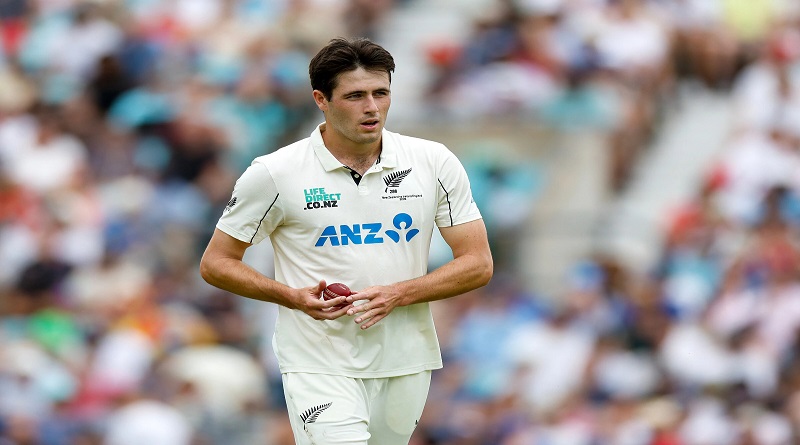
With the India series no longer part of his immediate plans, O’Rourke’s focus has shifted towards recovering in time for the Australia tour.
New Zealand’s first Test against Australia is scheduled to begin in Perth on December 9. The team management hopes O’Rourke will be fit enough to be considered for the series, although his selection will depend on his rehabilitation and match readiness.
There is also a possibility that he could return to domestic cricket for Canterbury towards the end of December. Playing at domestic level would provide an opportunity to rebuild match fitness and gradually increase his bowling workload.
However, any return date remains dependent on his recovery. The medical team will need to assess how his body responds to training and bowling before he can resume competitive cricket.
The priority is to ensure that he can bowl at full intensity without experiencing a recurrence of his hamstring or calf problems.
A successful recovery would be important for both O’Rourke and New Zealand, particularly with a demanding international schedule ahead.
How Will O’Rourke’s Absence Affect New Zealand Against India?
O’Rourke’s absence creates a tactical challenge for New Zealand, particularly in the Test format.
His ability to extract extra bounce and bowl with pace could have helped the hosts put India’s batters under pressure. In ODIs, he could have offered an option for taking early wickets and controlling the scoring rate during important phases of the innings.
Without him, New Zealand may need to rely more heavily on its other fast bowlers and adjust its plans according to conditions and opposition strengths.
The team will also need to manage the workloads of its available bowlers carefully during a tour that includes three formats. Maintaining fitness throughout the schedule will be essential, especially if matches are closely contested.
Nevertheless, O’Rourke’s absence does not automatically determine the outcome of the series. New Zealand have other players capable of stepping into important roles, and the tour will give them an opportunity to demonstrate their depth.
India, meanwhile, will still need to prepare for a competitive New Zealand side playing on home soil. The quality of the batting, the effectiveness of the bowling attack and the ability to perform under pressure will all influence the contests.
Conclusion
Will O’Rourke’s exclusion from the ODI and Test series against India is a major setback for New Zealand as they prepare for an important home assignment.
The fast bowler had only recently returned from a lengthy absence caused by a back stress fracture before suffering a hamstring injury during the England Test series and a calf strain during training in August.
With his recovery taking longer than expected, New Zealand Cricket has decided to prioritise his long-term fitness rather than risk an early return.
O’Rourke will now focus on rehabilitation, with the Australia Test series in December emerging as a potential target. His availability for that assignment will depend on his progress and his ability to rebuild full bowling fitness.
Meanwhile, New Zealand must prepare for India without one of its promising fast bowlers. Injuries to other players have also forced changes to the T20I squad, increasing the importance of squad depth and careful team selection.
The coming weeks will be crucial for O’Rourke as he works towards a safe return, while New Zealand will look to find the right combination to challenge India across all three formats.