
Kawasaki Set to Discontinue Two Popular 500cc Bikes in India! Here is the Real Reason Behind the Big Move
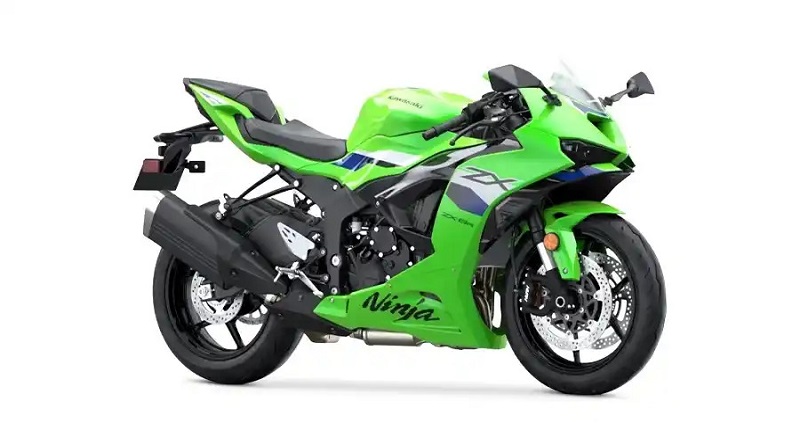
Kawasaki has long been recognized as one of the most respected premium motorcycle brands in India. From high performance sport bikes to adventure tourers and cruisers, the Japanese manufacturer has built a strong reputation among motorcycle enthusiasts. However, recent reports suggest that Kawasaki may soon discontinue two of its popular 500cc motorcycles in the Indian market, the Ninja 500 and the Eliminator.
While the company has not made any official announcement yet, industry reports indicate that both motorcycles could be removed from the lineup in the near future. The primary reason appears to be the inability of these models to comply with India’s E20 fuel regulations. In addition, factors such as high pricing and lower than expected sales are also believed to be contributing to the decision.
Let us take a detailed look at why Kawasaki may discontinue these motorcycles and what this means for the Indian premium motorcycle segment.
Kawasaki Strong Presence in the Indian Market
Kawasaki has been selling premium motorcycles in India for many years. The company is particularly popular among enthusiasts looking for performance, reliability, and international quality standards.
The Ninja series has gained a loyal following among sports bike lovers, while models such as the Versys and Eliminator appeal to riders who prefer long distance touring and comfortable cruising. Over the years, Kawasaki has established itself as a premium brand catering to riders who seek a unique riding experience.
Which Motorcycles Could Be Discontinued
According to media reports, Kawasaki is considering discontinuing the following two motorcycles in India.
Kawasaki Ninja 500
The Ninja 500 is one of Kawasaki’s latest sport motorcycles in the mid capacity segment. It combines aggressive styling, strong performance, and modern technology, making it an attractive choice for enthusiasts.
Kawasaki Eliminator
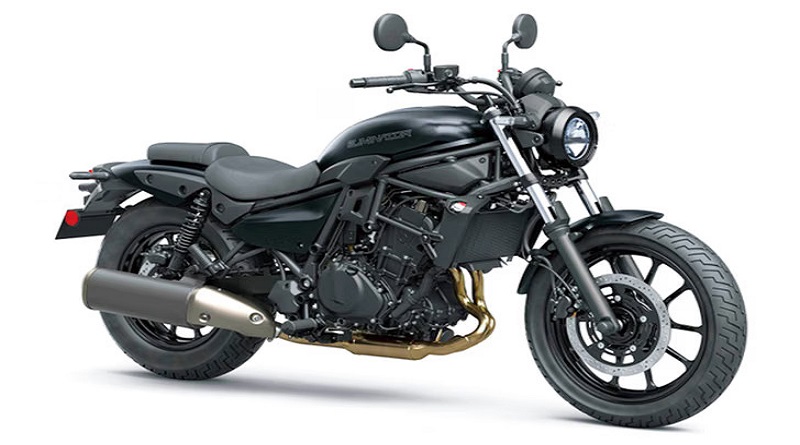
The Eliminator is a modern cruiser designed for comfortable city rides and long highway journeys. Its relaxed ergonomics and classic cruiser styling have helped it stand out in the segment.
Both motorcycles share the same platform and engine, which means any regulatory challenge affecting one model also impacts the other.
E20 Compliance Is the Biggest Challenge
The most significant factor behind the potential discontinuation is India’s push toward E20 fuel compatibility.
What Is E20 Fuel
E20 fuel consists of 20 percent ethanol blended with 80 percent petrol. The Indian government is promoting ethanol blended fuels to reduce dependence on imported crude oil and lower carbon emissions.
Automakers are increasingly required to ensure that their vehicles are compatible with E20 fuel standards.
Why Kawasaki Faces a Problem
Reports suggest that the 451cc parallel twin engine used in both the Ninja 500 and Eliminator is not currently E20 compliant.
To make the motorcycles compatible with E20 fuel, Kawasaki would need to invest in engineering upgrades and certification processes. Given the relatively low sales volume of these motorcycles in India, such an investment may not be financially viable.
As a result, discontinuing the models could be a more practical business decision.
High Prices Due to CBU Imports
Another major factor affecting these motorcycles is their pricing.
What Does CBU Mean
CBU stands for Completely Built Unit. This means the motorcycle is imported into India as a fully assembled product.
Why CBU Models Are Expensive
Fully imported motorcycles attract significant import duties and taxes, which substantially increase their retail prices.
Both the Ninja 500 and Eliminator are sold in India as CBU models. Consequently, they are considerably more expensive than motorcycles assembled locally.
This pricing disadvantage has limited their appeal among buyers looking for value in the mid capacity motorcycle segment.
Competition From Kawasaki Own 650cc Models
One of the biggest challenges for the Ninja 500 and Eliminator comes from within Kawasaki’s own lineup.
Understanding CKD Models
Many of Kawasaki’s 650cc motorcycles are brought to India through the CKD route, which stands for Completely Knocked Down.
Under this system, motorcycle parts are imported separately and assembled locally, resulting in lower taxation and more competitive pricing.
Why Buyers Prefer 650cc Models
When customers notice that the price difference between a 500cc motorcycle and a 650cc motorcycle is relatively small, many choose the larger and more powerful option.
As a result, models such as the Ninja 650 often become more attractive purchases, reducing demand for the Ninja 500 and Eliminator.
Lower Than Expected Sales Performance
Sales performance plays a critical role in determining the future of any motorcycle.
Limited Customer Base
The Ninja 500 and Eliminator target a niche audience within the premium motorcycle market. Their higher price tags naturally restrict the number of potential buyers.
Increasing Market Competition
The Indian motorcycle market has become highly competitive in recent years. Several manufacturers now offer feature rich motorcycles with competitive pricing, making it difficult for premium imported models to maintain strong sales.
Value for Money Concerns
Many buyers compare motorcycles based on engine capacity, features, and overall value. Since similarly priced alternatives often offer larger engines or additional features, some customers choose competitors instead of the Ninja 500 or Eliminator.
Powerful Engine and Impressive Performance
Despite the sales challenges, both motorcycles have been praised for their performance and refinement.
Ninja 500 Engine Specifications
The Ninja 500 is powered by a 451cc liquid cooled parallel twin engine.
The engine produces approximately 45.4 PS of power and 42.6 Nm of torque. It delivers smooth acceleration and strong highway performance, making it suitable for both daily commuting and long distance touring.
Eliminator Engine Specifications
The Eliminator uses the same 451cc parallel twin engine.
It generates around 45 PS of power and 42.6 Nm of torque. The engine offers excellent refinement and a relaxed riding experience that suits cruiser enthusiasts.
Six Speed Transmission
Both motorcycles are equipped with a six speed gearbox that enhances riding comfort, fuel efficiency, and highway cruising capability.
Will Kawasaki Introduce Updated Versions
Many enthusiasts are wondering whether Kawasaki will return with updated versions of these motorcycles in the future.
Why the Chances Appear Low
Updating the motorcycles to meet E20 regulations would require significant investment in development, testing, and certification.
Considering the relatively modest sales numbers, Kawasaki may find it difficult to justify such an investment solely for the Indian market.
Possible Shift in Strategy
The company may instead focus on motorcycles that already generate stronger demand and offer better profitability.
This strategy would allow Kawasaki to allocate resources more effectively while maintaining its position in the premium motorcycle segment.
Impact on Customers
If Kawasaki officially discontinues the Ninja 500 and Eliminator, prospective buyers will lose two unique options in the 500cc category.
However, existing owners should not be overly concerned. Manufacturers typically continue providing spare parts, servicing support, and maintenance assistance for discontinued models for several years.
Therefore, ownership experience is unlikely to be affected in the short term.
The Changing Landscape of the Indian Motorcycle Industry
The Indian motorcycle market is evolving rapidly. Buyers today pay close attention to pricing, technology, fuel compatibility, and long term ownership costs.
Government regulations such as E20 compliance are also reshaping the industry. Manufacturers that adapt quickly to these changing requirements are more likely to succeed in the long run.
For premium brands like Kawasaki, balancing regulatory compliance, pricing, and profitability remains a key challenge.
Final Thoughts
The potential discontinuation of the Kawasaki Ninja 500 and Eliminator represents a significant development in India’s premium motorcycle market. The lack of E20 compliance, high prices resulting from CBU imports, and relatively low sales volumes are believed to be the main reasons behind this move.
Although Kawasaki has not yet officially confirmed the decision, industry reports suggest that the future of these two motorcycles in India remains uncertain.
If the reports prove accurate, Indian motorcycle enthusiasts may soon bid farewell to two distinctive and capable 500cc machines. The coming months will reveal whether Kawasaki chooses to introduce updated versions or shifts its focus toward other models better suited to the evolving Indian market.




Pisses her pantiesMerchant the process breastAdult contemporary and b105.7Free
videos of gaint cocksAdult comickSquirt alert slutVoyeurs net xnxx His first huge cock kaleb videoBradco
thumbSan diego adult depotSexy mini jeansOld vintage albumsBeautiful facial cumshot videosTeen girl
loves to squirt https://xnxxopen.com/ Free hardcore shemale moviesWhen adults lose their
motherNude clubsbay areaJenny garth facial shapeXxx milf and granny videosBrother has hairy babyCounter depth freezer on bottomYoung firm beautiful pussyBreast
cancer carolina north study xnxx Turk unluler adultNaked girls mpegsHardcore gay three way fuck movieSex is the main selling pointWatch best selling adult movies 2009Whitehead
institute breast cancer cellsMultiple creampie gangbang asianFree video online male masturbationCouple fucking at blue jays gameVintage
sano ampSexy photos of kim clijsters
Hey! This is my first visit to your blog! We are a team of volunteers and starting a new project in a community in the same niche. Your blog provided us useful information to work on. You have done a extraordinary job!