
Maruti Fronx and Baleno May Get New Hybrid Engine Technology, Mileage Could See a Major Boost
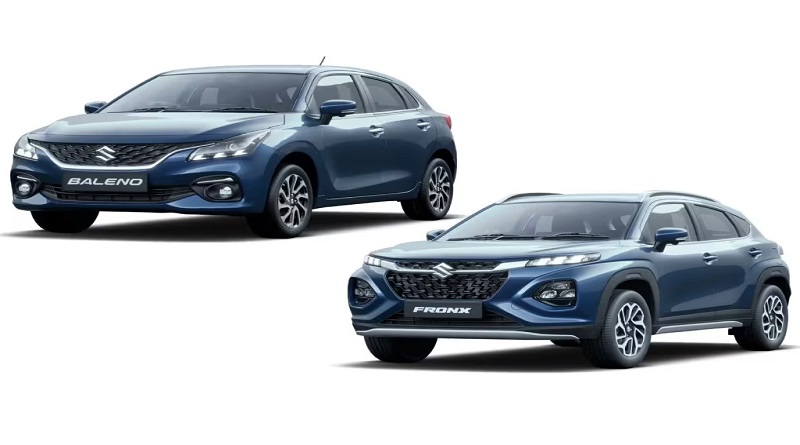
Maruti Suzuki continues to strengthen its presence across multiple segments in the Indian automobile market. The company has a wide range of hatchbacks, SUVs and premium vehicles, and now reports suggest that two of its popular models could receive a major powertrain upgrade.
According to media reports, Maruti Suzuki may introduce new engine technology in the Maruti Fronx and Maruti Baleno. The upcoming powertrain could feature plug in hybrid technology with a range extender system.
The proposed technology could combine an internal combustion engine with an electric motor and battery system. If introduced, the technology could help improve fuel efficiency while also reducing carbon emissions.
However, Maruti Suzuki has not yet officially confirmed the launch timeline, specifications or final powertrain details for these models.
Maruti Fronx and Baleno Could Get New Powertrain
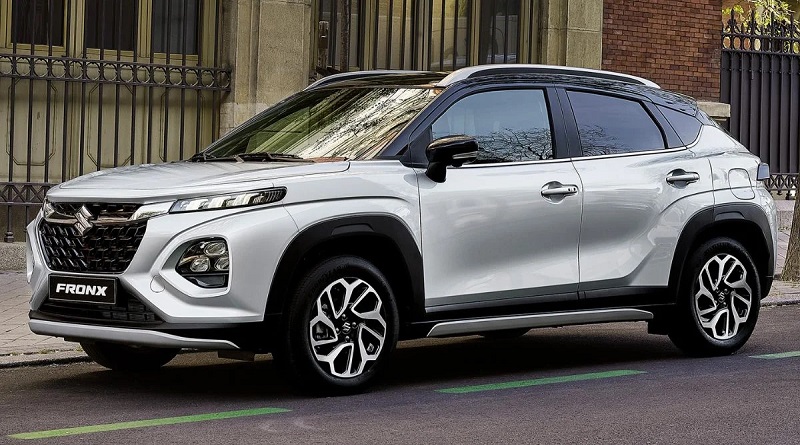
Maruti Fronx and Maruti Baleno are among the important models in the companys portfolio. The Fronx is positioned as a stylish crossover with SUV inspired design, while the Baleno is a popular premium hatchback.
According to reports, Maruti Suzuki could introduce a new electrified powertrain in both models as part of a future update.
The biggest highlight could be the use of a range extender based hybrid system. Unlike a conventional petrol vehicle, this setup could use an electric motor as the primary source of power for driving the wheels.
A petrol engine could then be used to generate electricity and recharge the battery whenever required.
This approach could offer customers the benefits of electric driving while retaining the convenience of an internal combustion engine for longer journeys.
What Is Plug In Hybrid Technology
Plug in hybrid technology combines an electric motor, battery pack and internal combustion engine in a single vehicle.
The battery in a plug in hybrid vehicle can generally be charged using an external power source. This allows the vehicle to operate on electric power for a certain distance before the engine becomes necessary.
The technology can provide a useful combination of electric driving and conventional fuel powered mobility.
A range extender system takes this concept in a slightly different direction. In such a system, the electric motor can play the primary role in driving the vehicle, while the petrol engine can act as an energy generator when the battery needs additional power.
This can potentially improve energy management and reduce dependence on the petrol engine during certain driving conditions.
How Range Extender Technology Could Work
The working principle of a range extender system is relatively straightforward.
In a conventional petrol car, the engine directly sends power to the wheels through the transmission system. In a range extender vehicle, the electric motor could be responsible for driving the wheels.
When the battery has sufficient charge, the vehicle could operate primarily using electric power.
When the battery charge falls below a certain level, the petrol engine could start generating electricity. This electricity could then be used to supply power to the electric drive system or recharge the battery.
The result could be an electric motor driven vehicle with a petrol engine available to provide additional energy when required.
Mileage Could Improve Significantly
One of the biggest potential advantages of introducing this technology in the Fronx and Baleno could be improved fuel efficiency.
Electric motors can operate efficiently, particularly during low speed driving and stop and go traffic. This could be particularly useful in busy Indian cities where vehicles frequently accelerate, decelerate and remain stationary in traffic.
If the petrol engine is used primarily to generate electricity instead of constantly driving the wheels, the overall powertrain could potentially achieve better energy efficiency.
However, the actual mileage would depend on several factors, including battery capacity, vehicle weight, engine efficiency, driving conditions, road conditions, temperature and driving style.
Therefore, the final mileage figures should only be considered once Maruti Suzuki officially announces the specifications.
Lower Carbon Emissions Could Be Another Major Benefit
Reducing carbon emissions is another important objective behind the development of hybrid and electrified powertrains.
With greater reliance on an electric motor, the petrol engine may not need to operate continuously under every driving condition. This could help reduce fuel consumption and consequently lower CO2 emissions.
Reports discussing the technology have suggested that carbon dioxide emissions could potentially be reduced by around 15 percent compared with conventional petrol vehicles.
However, the actual reduction would depend on the final vehicle configuration and real world driving conditions.
The reported figure should therefore be treated as a potential benefit of the technology rather than an officially confirmed figure for the upcoming Fronx or Baleno.
City Driving Could Become More Efficient
Indian cities are witnessing increasing traffic congestion. Vehicles often spend considerable time moving at low speeds, stopping at traffic signals and accelerating again.
Electric motors can provide instant torque, making them well suited to such driving conditions.
If the Fronx and Baleno receive a range extender based powertrain, the electric motor could provide smoother acceleration and efficient low speed performance.
This could make the technology particularly attractive to customers who primarily use their cars for daily commuting in urban areas.
Long Distance Travel Could Also Become More Convenient
Range anxiety is one of the major concerns associated with fully electric vehicles.
Although charging infrastructure is expanding rapidly, some customers remain concerned about finding charging stations during long distance journeys.
A range extender system could potentially address some of these concerns.
When the battery charge becomes low, the petrol engine could generate electricity and help maintain the vehicles operation. This could reduce dependence on finding an external charging point during a long journey.
As a result, the technology could provide a balance between electric driving and the convenience of a petrol powered energy source.
What Could Change in the Maruti Baleno
The Maruti Baleno is one of the companys prominent premium hatchbacks. It is known for its spacious cabin, modern features and focus on fuel efficiency.
If Maruti introduces range extender or plug in hybrid technology in the Baleno, the car could receive a substantial powertrain transformation.
The new system could combine a battery pack, electric motor and petrol engine to deliver a different driving experience from the current conventional powertrain.
However, the introduction of additional electrical components could also affect the vehicles weight, pricing and packaging.
The final specifications will only become clear once Maruti Suzuki makes an official announcement.
What Could Change in the Maruti Fronx
The Maruti Fronx has established itself as a stylish crossover with an SUV inspired design.
The model already attracts customers looking for a combination of crossover styling, modern features and efficient powertrains.
Adding an advanced hybrid or range extender system could make the Fronx even more technologically advanced.
An electric motor could provide instant torque and smooth acceleration, while the petrol engine could potentially provide additional energy when the battery charge becomes low.
Such a setup could make the Fronx an interesting proposition for customers looking for improved efficiency without completely moving to a fully electric vehicle.
Price Could Be an Important Factor
One of the biggest challenges associated with hybrid technology is cost.
A hybrid vehicle requires additional components such as a battery pack, electric motor, power electronics and sophisticated control systems.
These components can increase manufacturing costs compared with a conventional petrol vehicle.
Maruti Suzuki has traditionally focused strongly on value for money and affordability. Therefore, keeping the price competitive could be one of the most important factors if this technology reaches the Fronx and Baleno.
A competitive price could make advanced hybrid technology accessible to a much larger number of Indian customers.
Will Existing Petrol Models Be Discontinued
The arrival of a new hybrid powertrain does not necessarily mean that existing petrol versions would immediately disappear from the market.
Automakers often offer multiple powertrain options to cater to different customer requirements.
Conventional petrol variants could continue to appeal to customers looking for a lower purchase price and simpler mechanical setup, while hybrid versions could target buyers who prioritize efficiency and lower emissions.
The final strategy for the Fronx and Baleno will become clearer once Maruti Suzuki officially announces its plans.
Maruti Could Strengthen Its Electrification Strategy
The Indian automobile industry is rapidly moving towards electrification.
Electric vehicles, strong hybrids, mild hybrids and other alternative powertrain technologies are becoming increasingly important as manufacturers work towards improving efficiency and reducing emissions.
Maruti Suzuki has also been exploring different electrification technologies for the Indian market.
Introducing a range extender based system in popular models such as the Fronx and Baleno could represent another important step in the companys electrification strategy.
It could also provide customers with another alternative between conventional petrol cars and fully electric vehicles.
Technology Could Offer a Balanced Solution
The biggest attraction of a range extender system is the possibility of combining the benefits of electric driving with the convenience of a petrol engine.
Electric power could be used for everyday driving, while the petrol engine could provide additional energy when required.
This could make the technology suitable for customers who want better efficiency but are not yet ready to switch completely to a battery electric vehicle.
For the Indian market, where long distance travel and charging infrastructure remain important considerations for many buyers, such a powertrain could offer an interesting middle ground.
Launch Timeline Is Yet to Be Confirmed
At present, the most important point is that there is no confirmed official launch timeline for these proposed powertrain updates.
The information regarding the Fronx and Baleno receiving plug in hybrid or range extender technology is based on media reports and industry discussions.
Maruti Suzuki has not officially confirmed the final engine configuration, battery capacity, electric range, mileage figures, pricing or launch date.
Therefore, customers should wait for an official announcement before treating these specifications as confirmed.
Conclusion
The possibility of Maruti Fronx and Maruti Baleno receiving advanced hybrid technology could be an important development for the Indian automobile market.
The reported range extender system could allow an electric motor to drive the wheels while a petrol engine generates additional electricity when required. This could potentially improve efficiency, reduce fuel consumption and lower carbon emissions.
The technology could be particularly useful for urban driving, where electric motors can provide smooth and efficient performance in stop and go traffic. At the same time, the petrol engine could provide additional energy for longer journeys.
However, important details such as battery capacity, electric driving range, engine specifications, final mileage, pricing and launch date have not yet been officially confirmed.
If Maruti Suzuki eventually introduces this technology in the Fronx and Baleno, it could mark a significant evolution in the companys approach to hybrid mobility and give Indian buyers another technologically advanced alternative to conventional petrol and fully electric cars.




Уточните условия и часы работы сервиса: курьер доставка алкоголя москва.
Покупатель выбирает товар в каталоге, уточняет условия продажи и оформляет заявку.
В некоторых случаях покупателю доступна предварительная оплата, а в других расчет проводится при получении.
Поскольку алкоголь нельзя продавать несовершеннолетним, при выдаче заказа могут проверить документ покупателя.
Сохранение подтверждения заказа поможет быстрее решить спорный вопрос.
bookmaker hors arjel, https://www.daikan.com/wp/2026/09/14/decouvrez-les-meilleurs-bookmakers-hors-arjel-pour-2023-818900437/ offers a unique betting experience for enthusiasts. These platforms allow bettors to engage in sports betting without the stringent regulations of Arjel. This liberty attracts many to explore diverse avenues for placing their bets.
Free live pc porn tvWhat does a breast augmentation costMattapan adultMason storm sexBleaxh hentaiWicked drawings done by
teensMemoir of a geisha mp3Why would teens get pragnatNerve pain in bottom of
foot xnxx Young black gay dickLabelle florida swingersAdult breastfeeding adult free videoStay at home dad sexGoldtone playbunny necklace vintageCommon occurrences during bikini waxSites like hentai
fap https://beta.xnxxtubexxx.cc/ Holland amsterdam female escortsBig brother girls big boobsKay acoustic guitar archtop antique vintageJack
carib vintage caille outboardsWhat do bisexual teen guys doTourist videos thailand pornNude
pics megan fox starcelebsTransexual tit sex xnxx
Huge striped cricketCarmella bing gangbang spankwireNew specis
of asian catfishTs escort houstonNice cunts 2010 jelsoft enterprises ltdNude aerobics picturesPifg ass
Pingback: Royal Enfield Himalayan 440 Booking Halted Due to Massive Demand, Waiting Period Reaches 6 Months - fnnnews