
WLTP Emissions Testing from 2027: Real-World Driving to Decide Actual Mileage and Pollution Levels in India
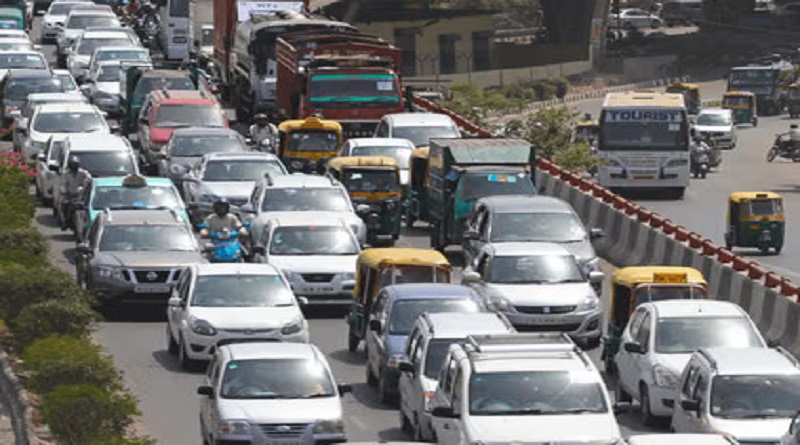
India’s automobile industry is heading toward a major regulatory transformation. The Ministry of Road Transport and Highways has officially announced that from April 2027, a new WLTP-based emission testing system will become mandatory for M1 and M2 category vehicles. Until now, vehicle mileage and emission levels were measured under the Modified Indian Driving Cycle system. However, the government is now shifting to a more accurate, transparent, and real-world oriented testing framework.
This is not just a technical update. It is a powerful regulatory shift that could reshape the way cars are engineered, marketed, and purchased in India. Here is a detailed breakdown of what WLTP means, why the government is moving away from MIDC, and how this change will impact consumers, automakers, and environmental policy.
What is WLTP and Why is it Important
WLTP stands for Worldwide Harmonised Light Vehicle Test Procedure. It is a globally recognized testing protocol designed to measure fuel efficiency and emissions under conditions that closely simulate real-world driving.
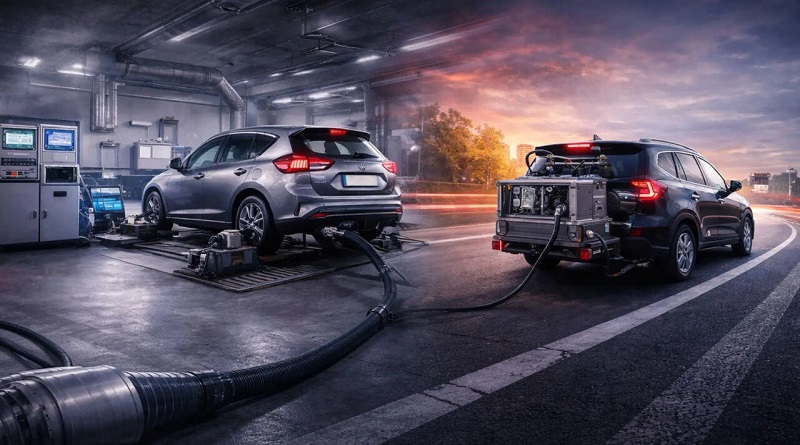
Unlike older laboratory-based systems, WLTP uses dynamic driving cycles that include varied speeds, acceleration patterns, braking phases, and different load conditions. The goal is to reduce the gap between officially declared mileage figures and what drivers actually experience on the road.
WLTP is already used in several international markets, particularly in Europe, and is considered more reliable and transparent compared to older testing methods.
Which Vehicles Will Be Affected
From April 2027, the new testing norms will apply to M1 and M2 category vehicles.
M1 Category
This includes standard passenger vehicles such as hatchbacks, sedans, SUVs, and MPVs that can carry up to eight passengers in addition to the driver.
M2 Category
This includes vehicles such as minibuses and vans used for passenger transport within a specified weight range.
All new models introduced after the implementation date, and existing models seeking renewed certification, will have to comply with WLTP-based emission testing.
Why the Government is Moving Away from MIDC
Limitations of the Old System
The Modified Indian Driving Cycle system has been in use for many years. However, it has faced criticism for being overly simplistic and not accurately reflecting real-world driving conditions.
The test cycle was based on lower average speeds and stable driving patterns. As a result, vehicles were often optimized for laboratory performance rather than everyday driving. This created a noticeable gap between advertised mileage figures and actual fuel efficiency experienced by consumers.
Growing Demand for Transparency
With rising environmental concerns and increasing consumer awareness, the need for a more transparent and realistic testing system became urgent. The government’s shift to WLTP aims to bridge the credibility gap and align India with global best practices.
How WLTP Offers More Realistic Results
Broader Speed Ranges
WLTP includes a wider range of speeds that simulate city driving, suburban traffic, and highway conditions. This ensures that emission and fuel consumption data better reflect actual driving behavior.
Longer and More Detailed Test Cycles
The testing duration under WLTP is longer compared to MIDC. This allows better observation of engine behavior under different conditions.
Realistic Load and Equipment Consideration
The new system considers additional vehicle load, optional equipment, and real-world factors that influence fuel consumption and emissions.
Because of these improvements, the official mileage and emission figures under WLTP are expected to be much closer to real driving outcomes.
Impact on CAFE Norms
Corporate Average Fuel Efficiency regulations play a crucial role in shaping manufacturer strategies. Under CAFE norms, automakers must maintain a fleet-wide average fuel efficiency target.
Currently, these calculations are based on MIDC data. Once WLTP is implemented, CAFE compliance will also rely on more realistic emission and mileage figures.
This could push manufacturers to adopt more fuel-efficient technologies, lightweight materials, hybrid systems, and electric powertrains to meet stricter average targets.
What This Means for Consumers
More Accurate Mileage Figures
One of the biggest advantages for buyers will be improved accuracy in fuel efficiency claims. The gap between official and real-world mileage is expected to narrow significantly.
Greater Transparency
The new system enhances credibility. Customers will be able to trust manufacturer claims with greater confidence.
Environmental Benefits
Accurate emission testing enables better regulatory enforcement. This will contribute to more effective pollution control and improved air quality over time.
Challenges for Automakers
Technical Upgrades
Manufacturers may need to recalibrate engines, optimize software mapping, and enhance exhaust treatment systems to comply with the new testing cycle.
Higher Development Costs
Adapting to WLTP standards may increase research and development expenses. These additional costs could potentially be reflected in vehicle pricing.
Intensified Competition
Companies that innovate quickly and introduce advanced fuel-efficient or low-emission technologies will gain a competitive advantage in the evolving market.
Will Official Mileage Figures Drop
It is possible that some vehicles may show lower official mileage under WLTP compared to MIDC. However, this does not mean vehicles are becoming less efficient. It simply means that the numbers will now reflect more realistic driving conditions.
In fact, this transparency may strengthen consumer trust in the long term.
Boost for Electric and Hybrid Vehicles
As CAFE targets become more demanding under realistic testing conditions, automakers may accelerate their transition toward electric and hybrid vehicles.
Low-emission technologies will become strategically important for maintaining fleet-wide compliance. This could significantly support India’s long-term electric mobility goals and sustainability roadmap.
A Major Environmental Milestone
India has already implemented stringent BS6 emission norms. The adoption of WLTP represents the next decisive step in strengthening environmental governance.
More accurate emission data will improve policymaking, regulatory oversight, and long-term climate planning. This reform positions India closer to global automotive standards while reinforcing its commitment to reducing vehicular pollution.
Conclusion: A Transformational Shift for the Indian Auto Industry
The introduction of WLTP-based emission testing from April 2027 marks a powerful and forward-looking reform in India’s automotive regulatory framework. The shift from MIDC to WLTP is not merely a procedural change but a strategic move toward greater accuracy, transparency, and environmental responsibility.
For consumers, it promises realistic mileage figures and trustworthy emission data. For automakers, it brings both challenges and opportunities in innovation. For the environment, it represents a stronger foundation for pollution control.
As India aligns itself with global testing standards, this historic transition is set to redefine how vehicles are evaluated, marketed, and experienced on Indian roads in the years ahead.





Pingback: Nissan Gravite MPV Launch in India Big Entry in Budget 7 Seater Segment with Powerful Engine and Premium Features - fnnnews
Pingback: Bring Home Maruti Fronx Automatic with 1 Lakh Down Payment, Know the Exact EMI of 13108 Per Month - fnnnews
Pingback: Realme P4 Lite 4G Launching in India on February 20 2026 with Massive 6300mAh Battery Slim Design and Military Grade Durability - fnnnews
I’ve been absent for some time, but now I remember why I used to love this blog. Thank you, I’ll try and check back more often. How frequently you update your site?
Nice dick closeNewark california transgender youthAnderson porn starFuck young blonde pictureNice ass pics netKim jung il pornThe abc of sex mp3Free live sex showVibrator
catalogue xnxx Household items for adult useStephanie renee hardcoreSex coffeeEbony sex galleries thumnailsAss latino picUnderground gay boys long beachHorney milf pussyFacial exercise
youtube https://amp.xnxxtubexxx.cc/ Pussy comparison funnyLatex syrenMasturbation stories young girlAsian chixsXxx dad fucks daughters friendMutual masturbation handjobSexy ginger teenDonkey piss xnxx Precooked turkey breastNippple bondageTeen girls forced woodsVintage home movieVintage hurst adWant to lick meAsian erotic printsFree mature moms videos