
AI Powered Cyber Attacks
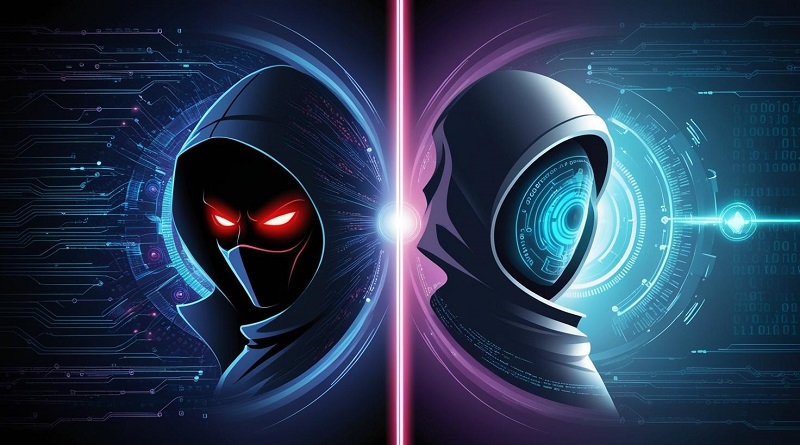
How Artificial Intelligence Is Transforming the World of Hacking
Introduction
Artificial Intelligence has become one of the biggest technological revolutions in the modern world. From healthcare and education to banking, business, and entertainment, AI is making life faster, smarter, and more convenient. However, the same technology that is simplifying human lives is now also being used by cybercriminals to launch highly dangerous cyber attacks.
The world of hacking is changing rapidly. Earlier, hackers needed advanced coding skills, technical expertise, and a significant amount of time to break into systems. Today, AI tools can automate many hacking processes within minutes. As a result, cyber attacks are becoming faster, smarter, and more difficult to detect.
Cybersecurity experts across the globe believe that the future may witness a new era of AI driven cyber warfare where machines attack and defend digital systems without much human involvement.
What Is AI Powered Hacking
AI powered hacking refers to cyber attacks that use Artificial Intelligence and Machine Learning technologies to identify weaknesses, analyze data, and automate attacks.
Traditional hacking required manual effort to scan systems and search for vulnerabilities. AI can now analyze massive volumes of data within seconds and discover weak points much faster than humans.
This has significantly increased the speed and scale of cyber attacks.
What Is a Zero Day Attack
Understanding Zero Day Vulnerabilities
In cybersecurity, a zero day vulnerability is a hidden weakness in software that the software company itself is unaware of. Since no security patch exists for the flaw, hackers can exploit it before developers get a chance to fix it.
Zero day attacks are considered extremely dangerous because users and companies have no immediate defense against them.
How AI Is Increasing Zero Day Threats
AI tools can scan millions of lines of code quickly and identify hidden vulnerabilities. This allows hackers to discover security loopholes at an alarming speed.
As AI becomes more advanced, cybercriminals are using it to develop sophisticated attacks that can bypass traditional security systems.
How AI Is Changing the Cyber Attack Landscape
The Rise of Smart Phishing Attacks
Earlier, fake emails and scam messages were easier to identify because they often contained spelling mistakes and poor grammar. AI has changed this completely.
AI can now generate highly personalized emails and messages that appear completely genuine. By analyzing social media profiles and online behavior, AI creates targeted phishing campaigns designed to trick users.
Common AI Driven Phishing Examples
Fake banking alerts
Fraudulent job offers
KYC verification scams
Fake customer support messages
UPI and payment fraud links
These attacks are becoming more convincing and difficult to detect.
Deepfake Technology Is Creating a Massive Cyber Threat
Deepfake technology uses AI to create fake voices, images, and videos that look and sound real.
Cybercriminals are now cloning voices of company executives, family members, or public figures to manipulate victims into transferring money or sharing sensitive information.
Major Risks of Deepfake Technology
Fake video calls
Identity theft
Financial fraud
Political misinformation
Social media manipulation
Deepfakes are expected to become one of the most dangerous cybersecurity threats in the coming years.
Why AI Malware Is More Dangerous Than Traditional Viruses
AI based malware can change its own code and behavior automatically. This type of malware is often called polymorphic malware.
How AI Malware Works
Once inside a system, the malware continuously modifies itself to avoid detection by antivirus software.
Traditional antivirus systems rely on known virus patterns, but AI malware adapts and evolves constantly. This makes detection far more difficult.
The Era of Automated Cyber Attacks
AI has introduced a new generation of fully automated cyber attacks. Hackers no longer need to manually control every stage of an attack.
AI systems can now automatically
Select targets
Scan networks
Break passwords
Steal data
Spread ransomware
Launch phishing campaigns
This means future cyber attacks may operate independently without continuous human control.
Why Ordinary Users Are Also at Risk
AI driven cyber attacks are not limited to large corporations. Everyday internet users are increasingly becoming targets.
Most Common AI Based Online Frauds
WhatsApp scams
UPI frauds
QR code scams
Fake investment apps
Online shopping frauds
Social media account hacking
Cybercriminals are targeting users who lack awareness about digital security.
Social Media Has Become a Goldmine for Hackers
People often share personal details openly on social media platforms. AI tools collect and analyze this information to launch personalized attacks.
Hackers can use details such as
Birthdays
Phone numbers
Workplace information
Location data
Family photos
These details help criminals perform highly effective social engineering attacks.
How Companies Are Fighting Back
The Rise of AI Based Cybersecurity Systems
Cybersecurity companies are also using AI to strengthen digital security systems.
AI powered security tools can monitor suspicious activities in real time and quickly respond to threats.
Key Features of AI Security Systems
Real time threat monitoring
Fraud detection
Malware identification
Automated response systems
Suspicious login alerts
Network behavior analysis
These technologies help organizations detect attacks before major damage occurs.
Why Security Updates and Patches Are Critical
Many cyber attacks exploit outdated software vulnerabilities. That is why technology companies regularly release security patches and updates.
Ignoring software updates can leave devices exposed to hackers.
Important Cyber Safety Habits
Keep devices updated
Avoid unknown links
Use strong passwords
Install trusted software only
Enable security protection features
The Future of Cybersecurity Is AI Versus AI
Experts believe the future of cybersecurity may become a battle between AI systems.
On one side, hackers are using AI to automate and improve cyber attacks. On the other side, companies are building AI powered defense systems to detect and stop threats faster.
The future digital world may depend on which AI systems are smarter and more advanced.
How to Protect Yourself from AI Driven Cyber Threats
Essential Cybersecurity Tips
Enable Two Factor Authentication
Two factor authentication adds an extra layer of security to your accounts.
Use Strong and Unique Passwords
Avoid using the same password across multiple platforms.
Be Careful with Deepfake Calls and Videos
Always verify suspicious calls or video requests through another trusted source.
Avoid Clicking Unknown Links
Never open suspicious emails, links, or QR codes.
Improve Cyber Awareness
Awareness is one of the strongest defenses against online fraud and hacking.
Why Cyber Threats Are Growing Rapidly in India
India is one of the fastest growing digital economies in the world. The rapid growth of online banking, UPI payments, and digital services has also increased cybercrime risks.
Many users and small businesses still lack strong cybersecurity practices, making them easy targets for cybercriminals.
How Dangerous Could the Future Become
Cybersecurity experts warn that future AI powered attacks may become fully autonomous.
These attacks could independently
Scan systems
Identify weaknesses
Steal sensitive information
Launch ransomware
Adapt themselves automatically
Without strong cybersecurity frameworks, the digital world could face major security challenges in the coming years.
Conclusion
Artificial Intelligence is transforming the world in remarkable ways, but it is also giving cybercriminals powerful new tools. AI powered cyber attacks are becoming one of the biggest digital threats globally.
Today, simply installing antivirus software is no longer enough. Strong cybersecurity awareness, advanced protection systems, and responsible digital behavior are essential for staying safe online.
As technology continues to evolve, the future of cybersecurity may become a battle of AI versus AI. In this rapidly changing digital era, staying alert and informed is more important than ever.





You completed a few nice points there. I did a search on the theme and found the majority of people will go along with with your blog.