
Cricket’s 73 Laws Changed in a Historic Update
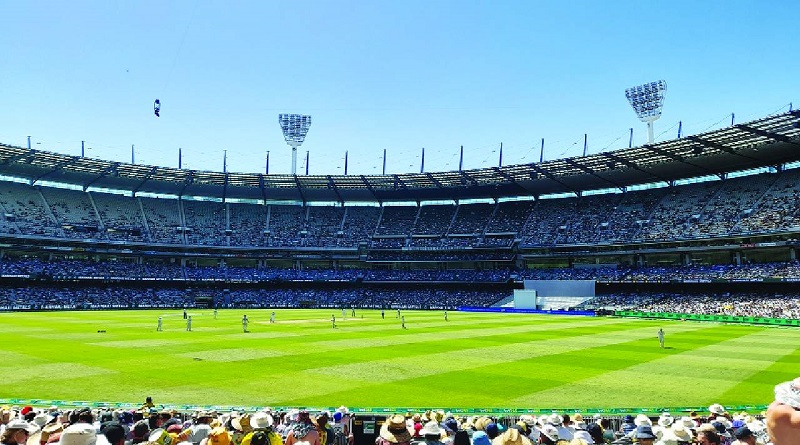
New MCC Rules to Come into Effect from 1 October 2026, Biggest Overhaul Since 2022
Cricket is set to enter a transformative new era as the Marylebone Cricket Club has officially announced changes to 73 laws of the game. These sweeping reforms will come into effect globally from 1 October 2026 and are being described as the most significant update to cricket laws since 2022.
The objective behind these changes is clear. The MCC wants to make cricket more exciting, fair, consistent, and easier to interpret for players, officials, and fans alike. From Test cricket rules to dead ball decisions, from overthrows to hit wicket clarity, and from wicketkeeper positioning to the conditional approval of laminated bats, the laws of cricket have undergone a comprehensive modernization.
These changes will influence how the game is played at all levels and will shape the future of cricket for decades to come.
The Role of MCC in Shaping Cricket Laws
Why the Marylebone Cricket Club Matters
The Marylebone Cricket Club, commonly known as MCC, is the custodian of the Laws of Cricket. Founded in 1787 in London, MCC is one of the oldest and most respected institutions in the sporting world.
In 1788, MCC drafted the first official laws of cricket. Even after the formation of the International Cricket Council, the authority to write and amend the laws of the game has remained with MCC. While ICC governs international competitions, the legal framework of cricket continues to be owned and updated by MCC.
This is why any change announced by MCC has a direct and global impact on cricket.
Test Match Final Over Rule Completely Revised
Full Final Over Now Mandatory Regardless of Wickets
One of the most talked about changes relates to Test cricket and the final over of the day. Under the new laws, the last over of the day in a Test match must be completed in full, even if a wicket falls during that over.
What the old rule allowed
Previously, if a wicket fell during the final over of the day, the batting side could choose not to send in a new batter. The day’s play could end immediately, leaving the remaining deliveries to be bowled the next day.
Why MCC changed this law
MCC stated that this practice was unfair and reduced the excitement of the game. It gave the batting team an undue advantage, allowing a new batter to avoid difficult conditions that usually favor bowlers late in the day.
MCC also clarified that this rule did not save time. The remaining balls still had to be bowled the following day, making the early stoppage unnecessary.
What the new rule says
If an over has begun, it must be completed.
If a wicket falls in the final over, a new batter must come in.
The remaining balls of the over must be bowled on the same day if conditions allow.
This change restores balance between bat and ball and enhances the drama of Test cricket.
Overthrow and Dead Ball Laws Redefined
Clear Distinction to Reduce Controversy
Confusion around overthrows and misfields has often led to disputes and inconsistent decisions. MCC has now provided a clear and precise definition to eliminate ambiguity.
What will now count as an overthrow
An overthrow will only be recorded when a fielder throws the ball towards the stumps and the ball passes beyond them. In such cases, additional runs will be awarded to the batting team as per the laws.
What is now classified as a misfield
If a fielder attempts to stop the ball near the boundary and it slips from their hands or deflects unintentionally, it will no longer be considered an overthrow. It will be treated strictly as a misfield.
This distinction ensures fair scoring and consistent umpiring decisions.
Dead Ball Law Gets a Major Update
Ball Does Not Need to Be with Bowler or Wicketkeeper
Earlier, a ball was generally considered dead only when it was in the hands of the bowler or wicketkeeper. MCC has now expanded the scope of this law.
Under the revised law, if the ball has come to rest on the field or is clearly under the control of any fielder, and the umpire believes no further run can be attempted, the ball may be declared dead.
This gives umpires greater authority and clarity, helping the game flow more smoothly and reducing unnecessary delays or disputes.
Laminated Bats Granted Conditional Approval
Affordable Equipment Gets Official Recognition
One of the most progressive updates in the new laws is the conditional approval of laminated bats, also known as Type D bats.
What is a laminated bat
A laminated bat is made by bonding two or three pieces of wood together. These bats are more affordable than traditional single piece willow bats and are often more durable.
Where laminated bats can be used
MCC has approved the use of laminated bats in open age club cricket and recreational cricket. Open age cricket refers to formats where there is no age restriction and players of different age groups compete together.
However, laminated bats are not yet approved for professional or international cricket, where traditional single piece bats will remain mandatory.
This decision is expected to make cricket more accessible, especially at the grassroots level.
Hit Wicket Law Clarified in Detail
Eliminating Long Standing Confusion
Hit wicket dismissals have always been one of the most debated aspects of cricket law. MCC has now clarified the conditions under which a batter will be given out or not out.
Loss of balance after playing a shot
If a batter plays a shot, loses balance, and while regaining stability knocks over the stumps with their body or equipment, they will be given out. The distance the ball has traveled does not matter.
Collision with a fielder
If a batter collides with a fielder and as a result falls onto the stumps, they will not be given out hit wicket. The dismissal will be considered accidental and not the batter’s fault.
Bat slipping from hands
If the bat slips from the batter’s hands and directly hits the stumps, the batter will be out.
However, if the bat touches a wicketkeeper or any fielder before hitting the stumps, the batter will be declared not out.
These clarifications bring much needed certainty to umpires and players.

New Standards for Cricket Balls and Bats
Special Focus on Women and Junior Cricket
MCC has introduced new standards for cricket balls following consultations with current and former women cricketers. Balls will now be categorized into three sizes.
Size One Ball
This is the standard ball currently used in men’s cricket. Its weight and dimensions remain unchanged.
Size Two Ball
This ball is designed for women’s cricket and junior players. It is slightly lighter and smaller than the size one ball, making it easier to grip, bowl, and control.
Size Three Ball
This is the smallest and lightest ball, created specifically for younger junior players. It helps children learn the game safely while reducing the risk of injury.
MCC has emphasized that while size and weight vary, quality, durability, and safety standards will be identical across all three categories.
Implementation Date and Global Impact
New Laws Effective from 1 October 2026
All 73 law changes will come into effect from 1 October 2026. This timeline allows cricket boards, umpires, players, and coaches ample time to prepare and adapt.
Experts believe these reforms will
Reduce on field disputes
Improve fairness and clarity
Enhance spectator engagement
Strengthen Test cricket
The changes are also expected to encourage participation at the grassroots level by making equipment more accessible and age appropriate.
Conclusion
The revision of 73 cricket laws by the Marylebone Cricket Club is not just a routine update. It is a powerful statement about the future direction of the game. By addressing long standing inconsistencies, modernizing outdated practices, and prioritizing fairness and excitement, MCC has laid a strong foundation for the next generation of cricket.
From mandatory completion of the final over in Test matches to the approval of laminated bats and clearer interpretations of dismissals, these reforms ensure that cricket remains a dynamic, balanced, and globally loved sport.
When these laws come into force on 1 October 2026, cricket will step confidently into a new chapter defined by clarity, competitiveness, and renewed excitement.




I haven’t checked in here for some time since I thought it was getting boring, but the last several posts are great quality so I guess I will add you back to my daily bloglist. You deserve it my friend 🙂
Hiya very cool site!! Man .. Excellent .. Superb .. I will bookmark your web site and take the feeds additionally…I’m happy to seek out a lot of helpful information right here within the post, we’d like work out more strategies in this regard, thanks for sharing.
My developer is trying to persuade me to move to .net from PHP. I have always disliked the idea because of the costs. But he’s tryiong none the less. I’ve been using WordPress on a variety of websites for about a year and am nervous about switching to another platform. I have heard great things about blogengine.net. Is there a way I can transfer all my wordpress content into it? Any kind of help would be greatly appreciated!