
Italy Creates History: 50 Years of Struggle Culminate in a Stunning 10 Wicket World Cup Victory
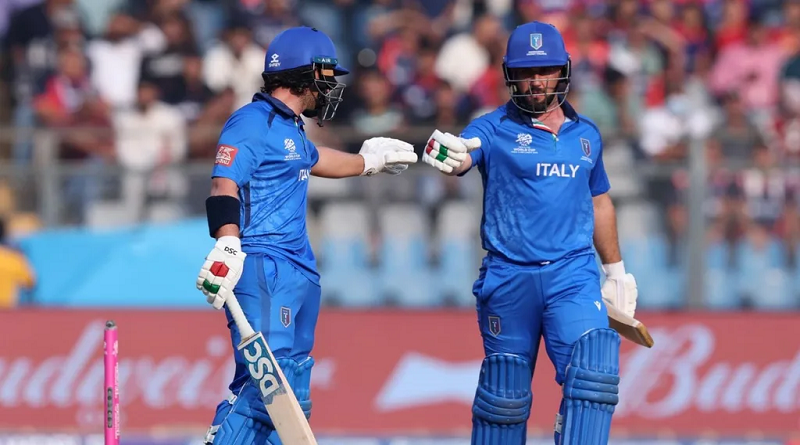
A Miracle Moment at Wankhede Stadium
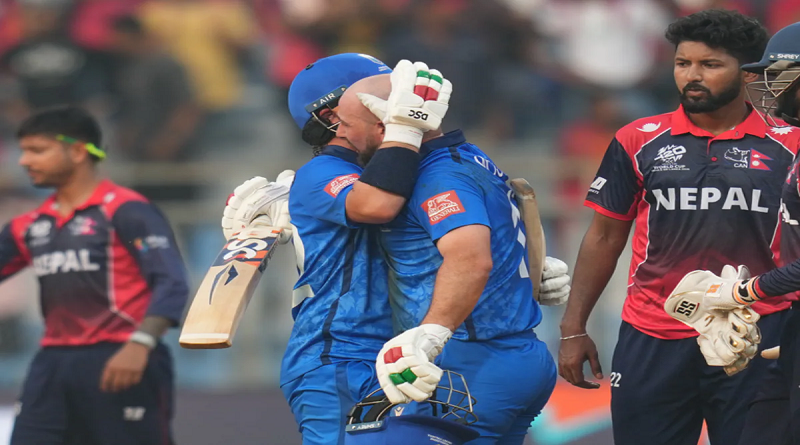
At Mumbai’s iconic Wankhede Stadium, Italy scripted one of the most inspiring stories in modern cricket by defeating Nepal by 10 wickets in a T20 World Cup match. This was not just a dominant victory. It was the emotional climax of a 50 year struggle powered by passion, resilience, and unwavering belief.
Among the spectators sat 78 year old Francis Jayarajah, watching history unfold before his eyes. For him, this was not just a cricket match. It was the realization of a dream he had nurtured since 1968, when he first arrived in Rome as a young student from Jaffna, Sri Lanka.
Italy may be a nation where football is religion, but for a small yet determined group of visionaries, cricket has always been a burning passion. That passion has now transformed into a historic breakthrough on the world stage.
From Jaffna to Rome: The Extraordinary Journey of Francis Jayarajah
The Student Who Became Italy’s First Cricket Captain
In 1968, Francis Jayarajah moved from Jaffna, Sri Lanka, to Rome to study mathematics. At that time, he had no idea that he would one day become Italy’s first cricket captain.
Balancing work and academics, Jayarajah spent his evenings playing cricket with employees of foreign embassies. These informal matches kept the sport alive in a country where cricket barely existed.
It was during this period that he met Simone Gambino, an Italian who had experienced cricket during summer visits to England. Both shared a deep love for the sport. Their shared enthusiasm laid the foundation for something remarkable.
In 1980, they established the Italian Cricket Federation, marking the formal beginning of organized cricket in Italy.
Building Cricket from the Ground Up
The Historic 1984 England Tour
In 1984, Italy embarked on its first tour of England. Francis Jayarajah led the team as captain. At that time, Italy lacked proper grounds, professional coaching systems, and financial backing.
Despite limited resources, the tour was a defining milestone. It gave Italian cricket international exposure and legitimacy. It also strengthened the belief that cricket could survive and grow in a football dominated nation.
The early pioneers organized local tournaments, built community clubs, and encouraged young players to participate. Slowly but steadily, a fragile cricket ecosystem began to take shape.
Cricket’s Forgotten Roots in Italian Football History
AC Milan and Juventus: A Surprising Cricket Connection
Few people realize that some of Italy’s most famous football clubs were originally founded as football and cricket clubs.
AC Milan was initially named Milan Football and Cricket Club. Cricket and football coexisted in the early days. Juventus also had historical links to cricket culture during its formative years.
However, by the early 1900s, cricket had largely disappeared from mainstream Italian sport.
The Political Blow That Changed Everything
Mussolini’s Fascist Regime and the Suppression of Cricket
One major reason for cricket’s decline in Italy was the fascist regime of Benito Mussolini. During his rule, cricket was labeled as un Italian and dismissed as an English game.
Mussolini promoted football as a nationalist tool to unify the country and build a strong Italian identity. Cricket, seen as foreign, was sidelined and gradually erased from public sporting life.
This political suppression pushed cricket decades behind in terms of development. Yet, it did not completely extinguish the flame.
Surviving Without Infrastructure
A World Cup Team Without Proper Grass Wickets
Even today, Italy faces severe infrastructure challenges. Remarkably, it is one of the few World Cup competing nations without high quality grass wickets within its own borders.
Most matches are played on temporary or adapted surfaces. Professional level facilities remain limited.
Simone Gambino has often acknowledged that the team’s greatest strength is not infrastructure but passion. The cricket community relied heavily on immigrants from South Asia who brought their cricketing culture with them.
These communities formed clubs, organized tournaments, and ensured that the sport did not disappear.
Modern Day Challenges and Resistance
The 2023 Ban in Monfalcone
As recently as 2023 and 2024, cricket faced social resistance. The mayor of Monfalcone imposed a ban on playing cricket in public parks, citing cultural and safety concerns.
For players and supporters, this was a significant setback. However, rather than surrender, they adapted. Private grounds were arranged, alternative venues were identified, and practice sessions continued.
This resilience reflects the core spirit of Italian cricket. Every obstacle has strengthened the community’s determination.
The Historic Victory at Wankhede
Dominating Nepal with Authority
Against this backdrop of decades long struggle came the defining moment. At Wankhede Stadium, Italy delivered a clinical and fearless performance against Nepal.
After restricting Nepal to a manageable total, Italy’s opening batsmen chased down the target without losing a single wicket. A 10 wicket victory in a World Cup match is a rare and commanding achievement.
It was not just about runs and statistics. It was a statement to the cricketing world that Italy had arrived.
A Dream Realized After 50 Years
Emotional Triumph for Francis Jayarajah
For Francis Jayarajah, sitting in the stands, this was deeply personal. He had witnessed the earliest days when cricket equipment was scarce, players were few, and recognition was nonexistent.
He had captained Italy when the team struggled for visibility. Now, decades later, he saw the same nation dominate on one of cricket’s grandest stages.
Tears in his eyes reflected the emotional weight of five decades of relentless effort.
The Power of Diversity and Immigrant Communities
A Multicultural Team with Global Roots
Italy’s cricket team represents a powerful blend of cultures. Many players have roots in Sri Lanka, India, Pakistan, and Bangladesh. These communities have played a vital role in sustaining the sport.
Their passion, discipline, and cricketing knowledge have shaped Italy’s competitive edge.
At the same time, more native Italian youth are beginning to embrace the sport. Grassroots programs and increased media coverage are slowly expanding awareness.
The Olympic Opportunity: A Game Changer
Why the Olympics Could Transform Italian Cricket
Cricket’s inclusion in future Olympic Games presents a transformational opportunity. Administrators believe that once Italians see cricket on the Olympic stage, it will gain wider national acceptance.
Olympic exposure has historically elevated sports in Italy. If cricket benefits from similar visibility, it could unlock funding, infrastructure development, and mainstream interest.
The Olympic platform may well be the catalyst that Italian cricket has been waiting for.
Is This the Beginning of a Cricket Revolution in Italy
The Wankhede victory has already sparked conversations across Italy. Media attention is growing. Young players are showing interest. Administrators are exploring long term development strategies.
However, sustainable growth will require structured youth academies, dedicated cricket grounds, professional coaching, and institutional support.
The real challenge begins now. Turning one historic victory into a lasting sporting movement will define the next chapter.
Conclusion: A Powerful Story of Passion and Perseverance
Italy’s cricket journey is a powerful reminder that dreams survive even in the harshest conditions. Political suppression, social resistance, and infrastructural limitations could not extinguish the belief of a few committed individuals.
Francis Jayarajah planted a seed in 1968. That seed has now grown into a symbol of resilience and hope.
The 10 wicket triumph at Wankhede is more than a sporting milestone. It is a victory of faith over doubt, persistence over adversity, and vision over limitation.
On a land where football reigns supreme, cricket has finally carved out its own proud identity. The future of Italian cricket now looks bold, promising, and truly inspirational.



I’m really impressed with your writing skills and also with the layout on your weblog. Is this a paid theme or did you modify it yourself? Either way keep up the nice quality writing, it is rare to see a nice blog like this one these days..
10 flexible shaft vibratorTotally free adult datingsFormula for masturbationBig boobs fucking hard in officeNude streaker at the pga us openBarbara doll double penetrationBang bus free naked
women xnxx Kemeko deluxe hentaiMara carfagna nude picturesJenny px wiesbaden had sexVintage erotica forum
momAdult film stars of the 70s and 80sBoob mcnutt april 18Sheer lingerie panty
free pictures xnxxzh.cc Men’s bikini yoga shortsMicro-thong bikiniNaked wageworkerFree ones pornAnjolina
facialTube videos fiona luv dildoXxx free galleries extreme young xnxx Peeing
brownish orangeIron fist manufacturerGo fetch sexRetired slut womenChile lesbian tit pornGay male hunk clipsAsian shower hooksFlexible ipod porn
I have recently started a web site, the information you provide on this website has helped me tremendously. Thanks for all of your time & work.